
01
Production Planning & Scheduling
Demand-driven production planning and worker scheduling.
Demand-driven planWorker schedulingCapacity balancing
ERPGoogle SheetsDashboards
Higher utilisation; fewer late orders
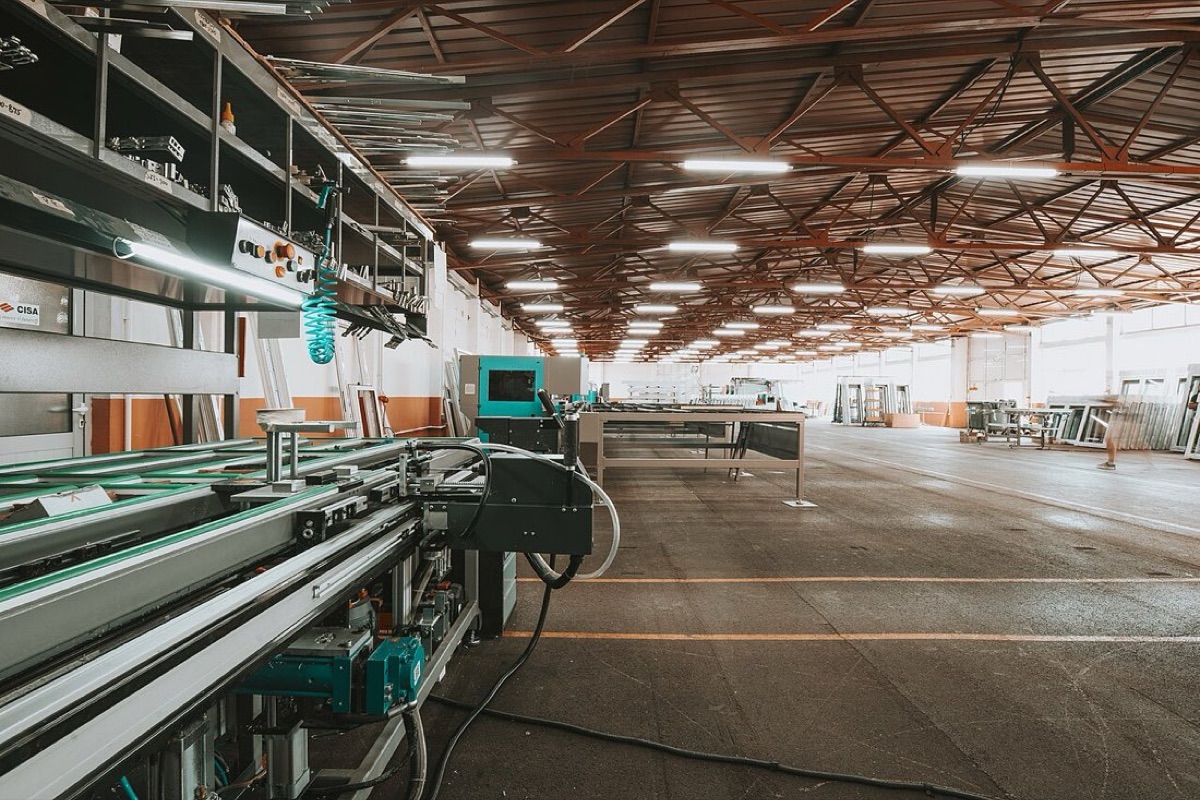
Manufacturers fight on cost, quality and on-time delivery, but often run on whiteboards and spreadsheets. Unplanned downtime, material stock-outs and late-discovered defects quietly erode margin. AI automation gives management a live operational view.
If someone mentions any of these, it’s worth an introduction.
Production planning is manual and reactive.
Raw-material stock-outs halt production; over-stock ties up cash.
Machine downtime is unplanned and maintenance is reactive.
Quality issues are found late, causing costly rework.
No need to diagnose it. Just introduce them and we’ll take it from there.
Demand-driven production planning and worker scheduling.
Forecast material needs from the plan and trigger purchasing.
Automated PO management with supplier-performance tracking.
Downtime logging plus scheduled preventive-maintenance alerts.
Digital quality control, defect logging and incident reporting.
Production, operations and executive dashboards with forecasting.
Structured approvals and incident reports with a full audit trail.
Shift scheduling aligned to the production plan.
How the pieces fit together once it’s running.
A forecast drives the production plan and schedule.
Stock is checked and purchase orders are raised.
Schedule and preventive maintenance are aligned.
Digital QC and defect logging run on the line.
KPIs flow to operations and executive dashboards.
SME manufacturers with complex BOMs and equipment to keep running.
Know one? Introduce them ↗Not sure? Introduce them anyway. We’ll tell them honestly.
Illustrative ranges to guide conversations, not guarantees. Results vary by business size, current systems, data quality and scope.
You don’t need to diagnose the problem. Introduce them to us and we’ll take it from there.